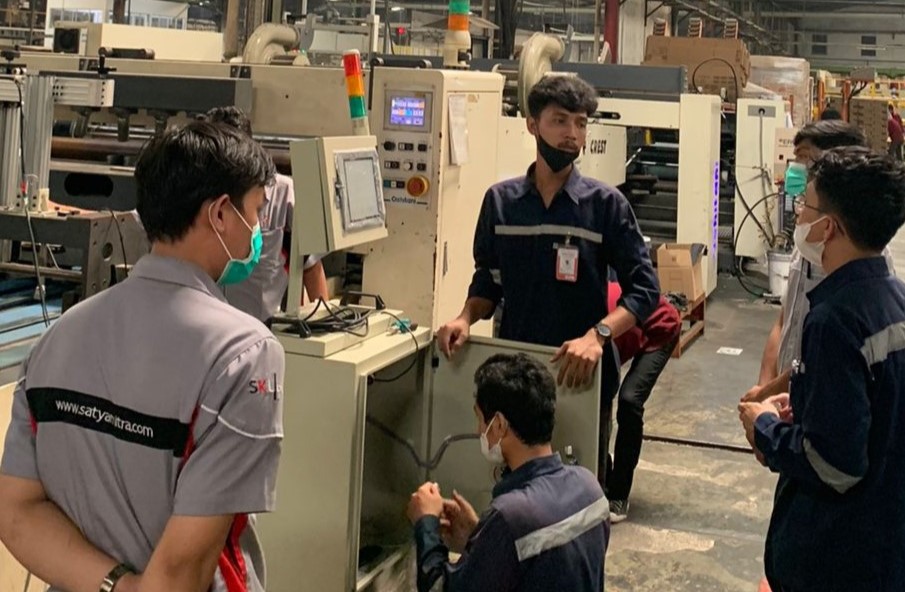
A System Integrator is an individual or company that has expertise in combining various components of an information technology system—such as hardware, software, and networks—into a single system that functions comprehensively and efficiently. The main goal is to ensure that the various subsystems can work together to meet the needs and business objectives of the organization.
In practice, a system integrator will design, implement, and manage effective system integration, including conducting needs analysis, planning, and maintaining the integrated system.
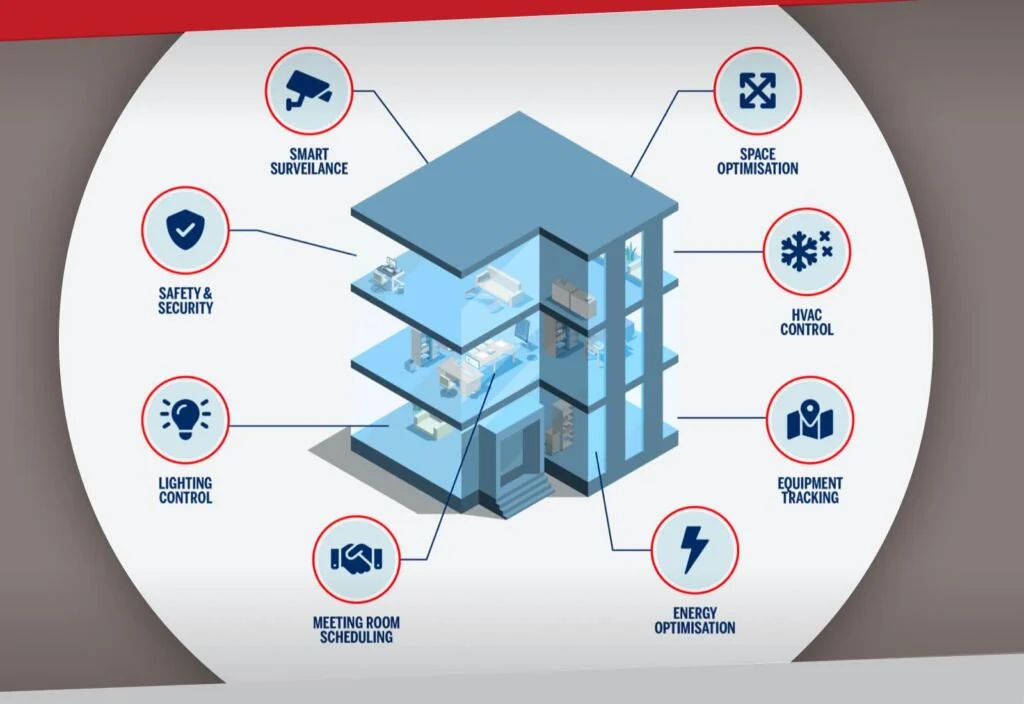
Designing and integrating smart systems in buildings, such as automatic lighting systems, temperature control, door access security, and energy management connected to the Internet of Things.
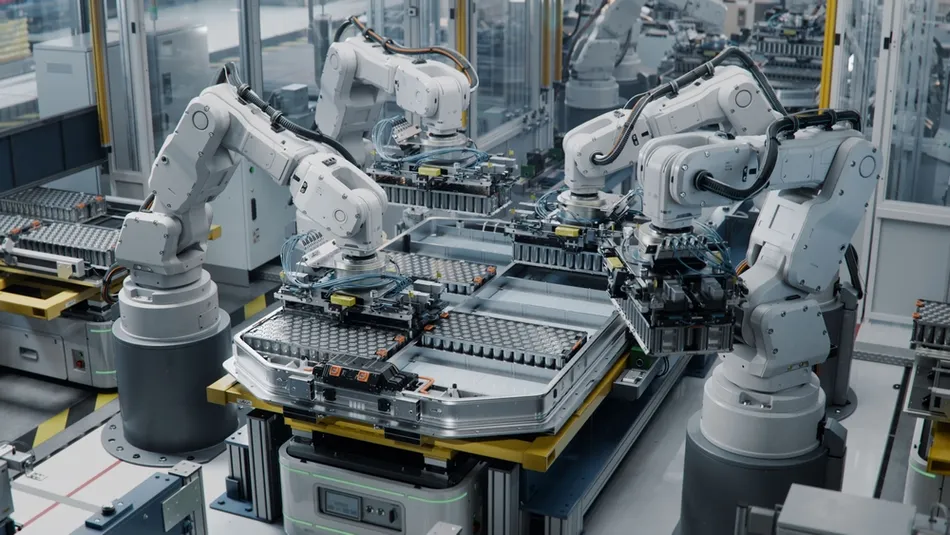
Integrating automation systems into a factory or industrial facility environment, such as PLC control systems, sensor monitoring, and machine tools to improve efficiency and productivity.
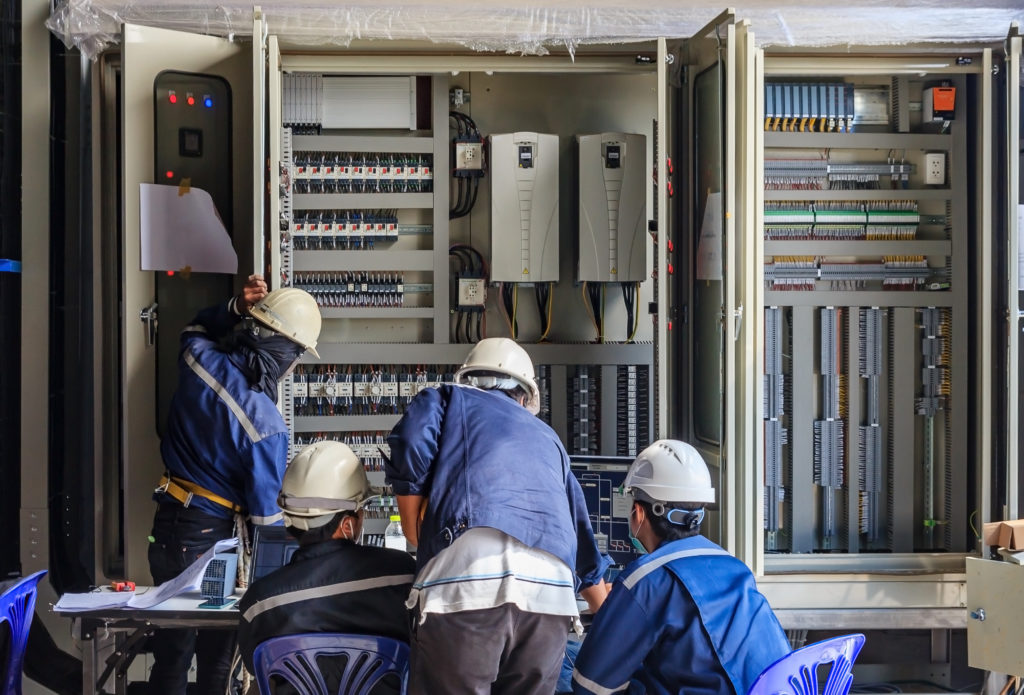
Building remote monitoring systems for various devices and sensors in the field, such as industrial surveillance equipment, agricultural gardens, or critical infrastructure.
Transforming traditional warehouses into technology-based environments using software and digital solutions. The goal is to improve efficiency, accuracy, and visibility in managing inventory and optimizing the overall warehouse operational process.
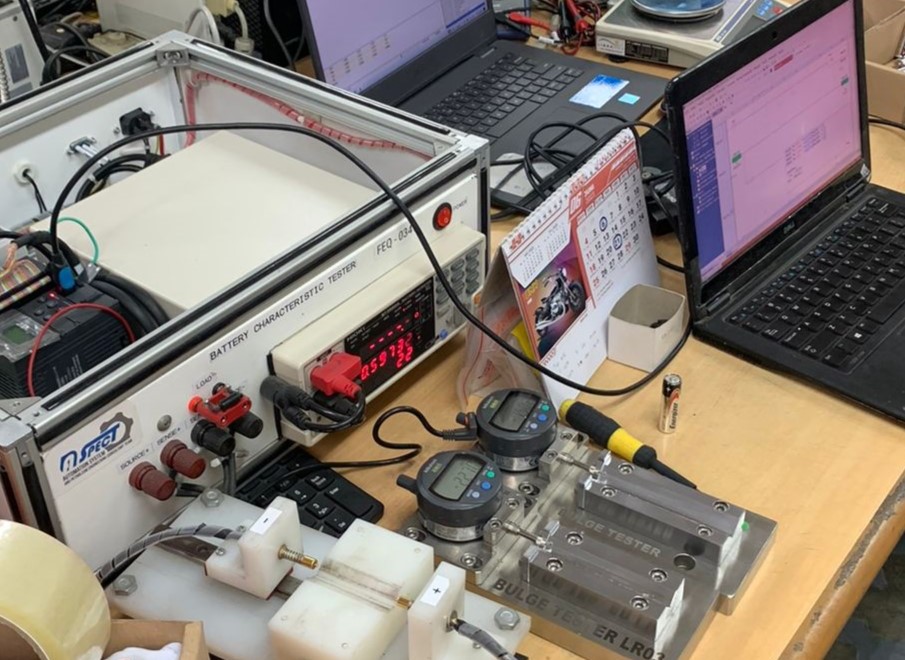
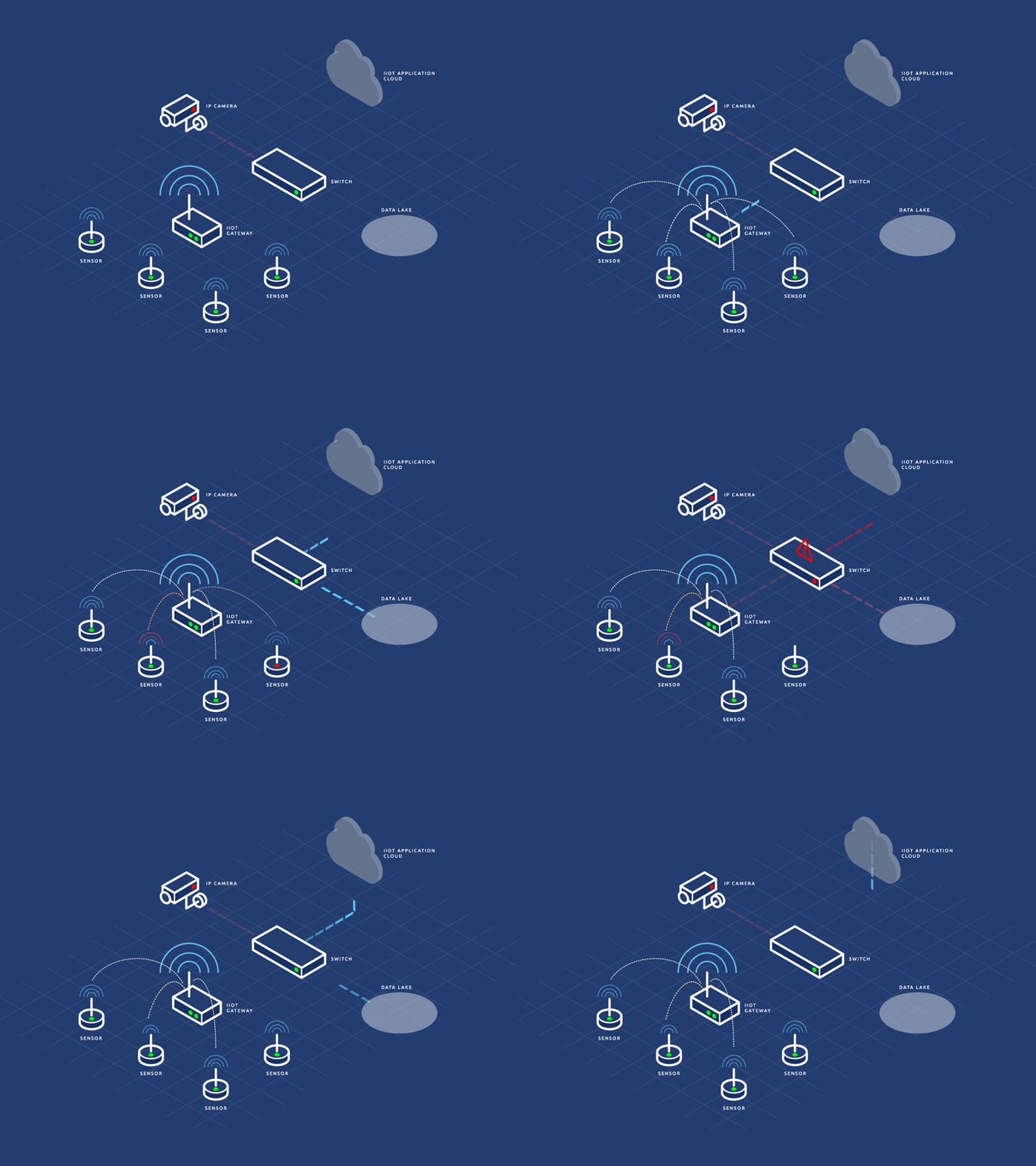
Using internet-connected temperature sensors to monitor temperature in real-time and send the data to a cloud platform. This enables remote monitoring, and can be applied in a variety of contexts such as server rooms, and industrial environments.
Implementation of sensor technology to detect potential hazards in the work environment. The goal is to improve safety by identifying high-risk situations and taking preventive or warning actions to prevent injury or accidents. Examples of sensor inclusions include motion detection.